Agentic Analytics
Starts With the Data

The blocker is rarely the model. It is whether your agents can reach correct, governed data.

AI Model
Data Lake

An agentic lakehouse is a data lakehouse built for autonomous AI agents rather than for human analysts. It adds three things to open-format storage on Apache Iceberg: a semantic layer that carries business definitions, governance enforced by the query engine at execution time, and a structured agent interface such as an MCP server. Together these let an agent find data, run a correct query, and stay inside the permissions of the person who asked.

Why AI Assistants Fail

Three things decide whether an agent returns a right answer. Most stacks are missing at least one.

Lack of Context

Your AI doesn't speak your business language. Without a semantic layer, it translates questions into generic SQL, missing specific definitions for "churn" or "revenue".

Data Gravity

Data is everywhere: Postgres, Snowflake, S3. Moving it all to one place is a governance nightmare. Traditional ETL pipelines are too brittle and slow for agentic AI.

Too Slow

Conversations require speed. If your AI takes minutes to answer, the flow breaks. Ad-hoc exploration becomes impossible without sub-second performance.

What is an Agentic Lakehouse?

Four layers that separate standard analytics from something an agent can actually use.

1. Agent Interface

Safe action loops where an agent can plan, query, and reason without hallucinating.

2. Context & Semantic Meaning

Understanding business logic (e.g. "revenue" vs "gross sales") instead of just raw tables.

3. Governed Execution & Trust

Strict access controls ensuring AI only queries data it is explicitly authorized to see.

4. Multicloud & Open Standards

Operating across engines and clouds using Apache Iceberg, Polaris, and open formats.

The Solution: Dremio Agentic Lakehouse

One platform, rather than a stack you assemble and maintain yourself.

AI Semantic Layer

Map raw tables to business logic once. Wikis and tags carry the rest, so an agent knows what "active customer" means before it writes any SQL.

  • Business Context
  • Automatic Labeling

Unified Data Access

Query data where it lives. Federate queries across S3, Snowflake, and Postgres without moving a byte.

Autonomous Performance

Reflections and Caching deliver interactive speed. Reflections are precomputed optimizations that make massive datasets feel instant.

Agentic Interfaces

Built-in AI Agent and Open Source MCP connectivity. Analyze structured and unstructured data together.

Apache Iceberg Native

Built-in Polaris catalog for auto-optimization and governance. Federates queries across AWS Glue, Nessie, Snowflake, and Unity Catalog.

Must-Read Articles on the Agentic Lakehouse

Longer reads from the Dremio blog that go deeper than any page here.

Agentic Analytics

What Is Agentic Analytics and What Does a True Agentic Analytics Platform Need?

A practical breakdown of what separates genuine agentic analytics from AI-washed BI tools. Covers the three platform pillars (governed data, a semantic layer, and an agent-ready interface) and why a gap in any one of them makes autonomous agents fail quietly.

Semantic Layer

Semantic Layer: The Definitive Guide

The authoritative reference on what a semantic layer is, why it exists, and how to implement one that grows with your organization. Explains metric definitions, entity relationships, and why a well-maintained semantic layer is the foundational requirement for reliable AI analytics.

Apache Polaris

Apache Polaris: The Catalog Standard for Iceberg Lakehouses and Agentic Analytics

Why Apache Polaris is becoming the universal catalog standard for multi-engine Iceberg environments. Covers RBAC, catalog federation, credential vending, Iceberg SQL views, and how Polaris enables fine-grained governance for both human analysts and autonomous AI agents.

Table Formats

What Are Table Formats and Why Were They Needed?

What a table format actually is: the metadata layer between query engines and physical Parquet or ORC files that makes ACID transactions, schema evolution, and time travel possible. Useful background before reading anything about Apache Iceberg.

Platform Overview

What is Dremio? The Unified Lakehouse and AI Platform

A comprehensive look at Dremio's architecture as a unified platform: the federated query engine for eliminating silos, the Iceberg-based lakehouse for open storage, and the Agentic AI layer including the semantic layer and MCP server that enable autonomous data agents.

Apache Iceberg

What "Apache Iceberg Native" Actually Means

Not all Iceberg support is equal. This article draws a line between platforms that support Iceberg and platforms built for it, and explains why the difference shows up once Iceberg is your primary analytics format rather than a side integration.

Open Source

Open Source and the Data Lakehouse

How the open lakehouse breaks the monolithic warehouse into interchangeable layers, each built on an Apache standard. Covers Apache Parquet, Apache Iceberg, Apache Polaris, and Apache Arrow, and how Dremio assembles them into one platform.

Common Questions

What is an agentic lakehouse?

An agentic lakehouse is a data lakehouse built for autonomous AI agents rather than for human analysts. It adds three things to open-format storage on Apache Iceberg: a semantic layer that carries business definitions, governance enforced by the query engine at execution time, and a structured agent interface such as an MCP server. Together these let an agent find data, run a correct query, and stay inside the permissions of the person who asked. Read the full guide.

What is agentic analytics?

Agentic analytics is the practice of letting autonomous AI agents carry out the analytical workflow: discovering the relevant data, writing and running the query, reasoning over the result, and delivering or acting on the answer. It differs from dashboard BI in that the agent decides the steps, so the platform underneath has to supply business context and enforce permissions on every query it generates. Read the full guide.

How does Apache Iceberg support agentic analytics?

Apache Iceberg supplies the open table format underneath. Its ACID commits keep concurrent agent writes from corrupting a table, its snapshots let you replay the exact data state an agent saw when it answered, schema evolution keeps queries valid as tables change, and file-level column statistics let an engine prune data before scanning it. The open REST catalog also means several engines can read the same governed tables without copying data. More on Apache Iceberg.

How is an agentic lakehouse different from RAG?

Retrieval-augmented generation grounds a model in unstructured text by retrieving passages that resemble the question. An agentic lakehouse grounds a model in structured data by running an exact query against governed tables. Retrieval returns something approximate; a query returns a computed number you can reproduce. Most production systems use both and route each question to whichever is appropriate. More on RAG.

Why does an AI agent need a semantic layer?

Raw table and column names do not carry business meaning. Without a semantic layer an agent has to guess which column represents revenue and which rows to exclude, and a guess that runs without error still produces a wrong number. A semantic layer stores metric definitions, entity mappings, and column descriptions once, so the same question resolves to the same query and the same answer every time. More on the AI semantic layer.

Master the Agentic Lakehouse

A free trial to build on, plus the books that go deeper.

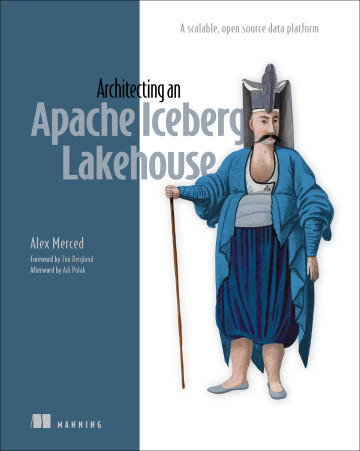
Architecting an Apache Iceberg Lakehouse

Architecting an Apache Iceberg Lakehouse

Buy on Manning
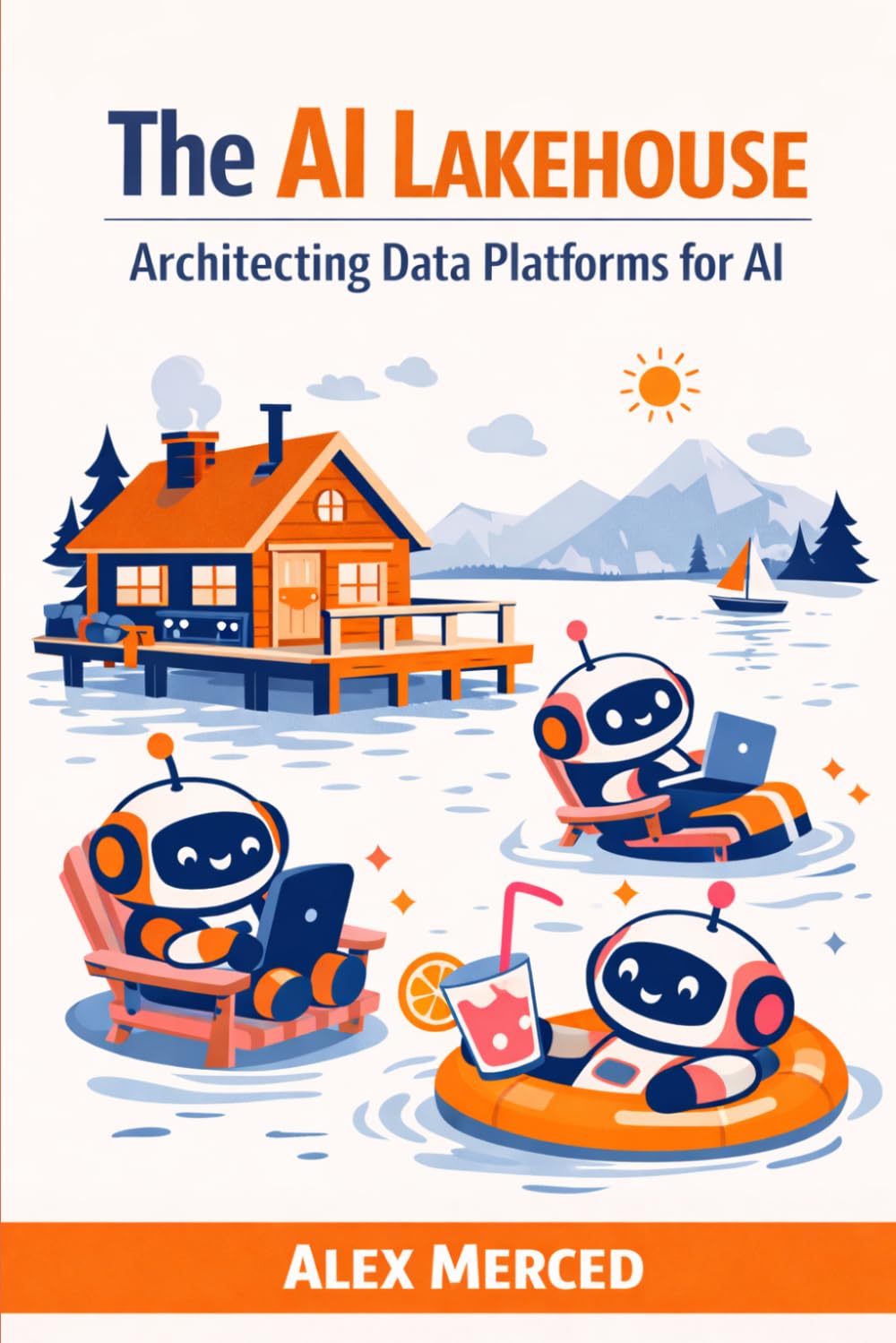
The AI Lakehouse

The AI Lakehouse

Buy on Amazon
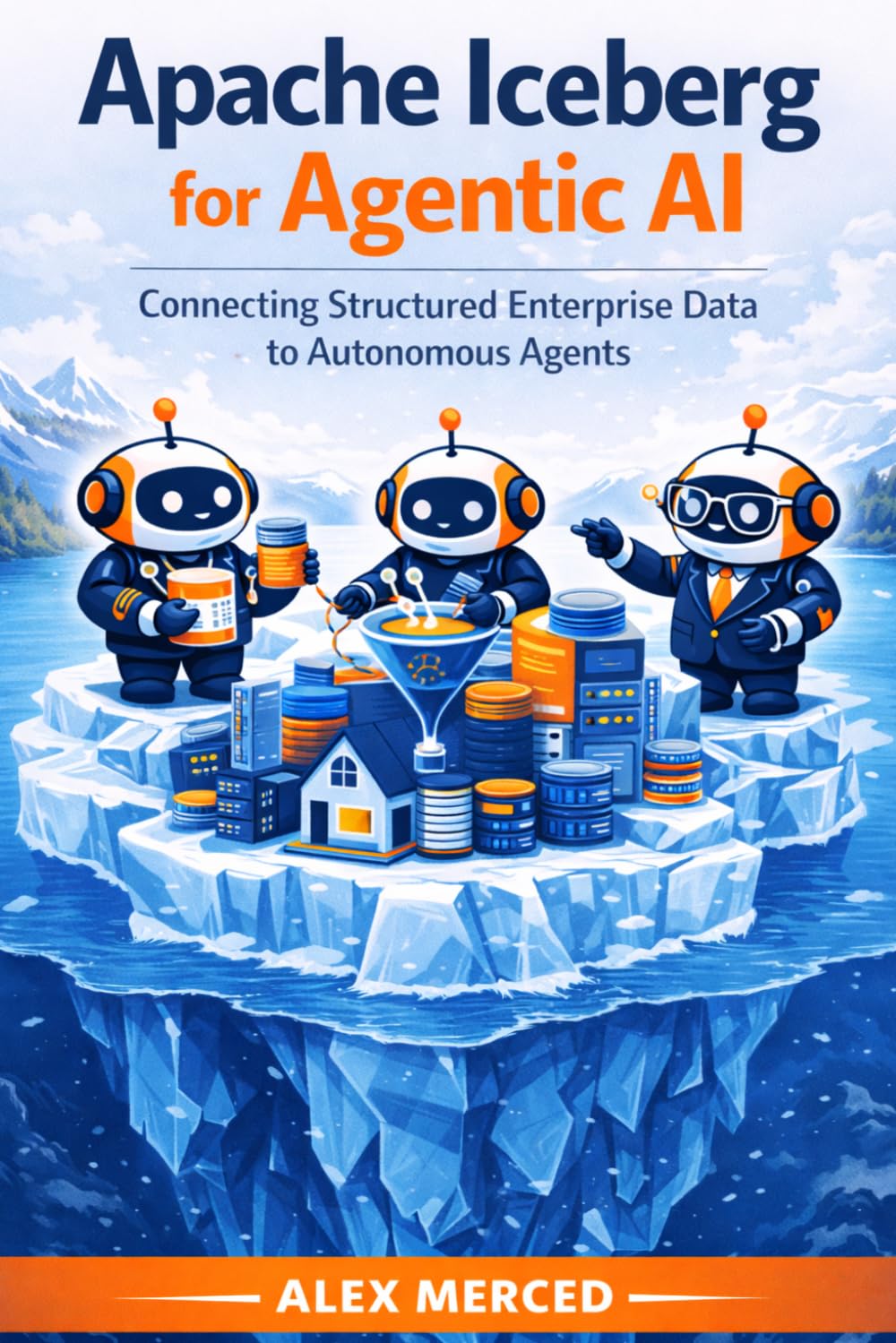
Apache Iceberg and Agentic AI

Apache Iceberg and Agentic AI

Buy on Amazon
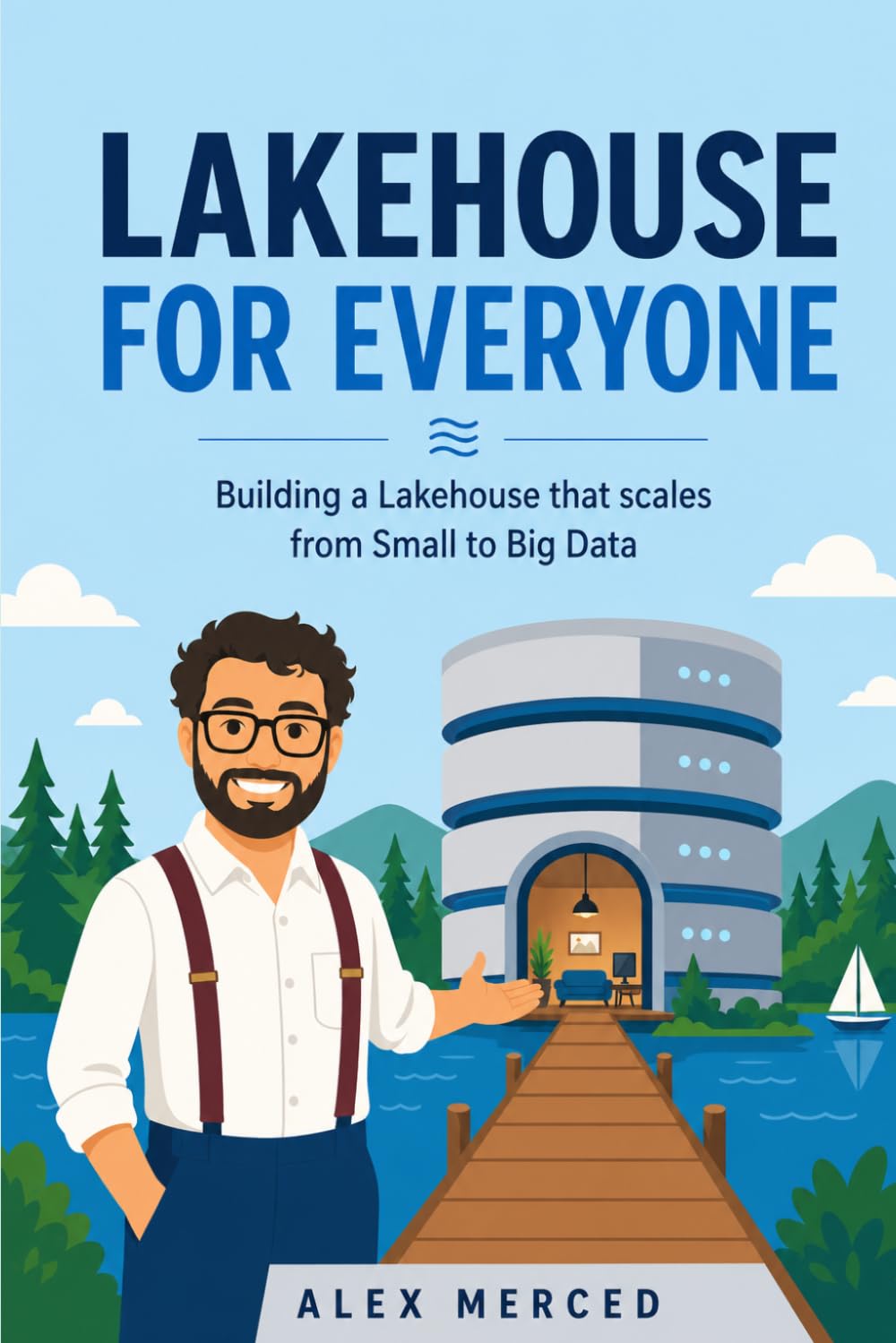
Lakehouse Built for Everyone

Lakehouse Built for Everyone

Buy on Amazon